Five Repairs You Should Never Defer (and What They Cost If You Do)


The short answer
Never defer five repairs: active water leaks, roof leaks, electrical problems that trip, buzz or run warm, water heaters past their rated life, and failing HVAC in peak season. Each gets more expensive the longer it waits, usually sharply.
Deferral has an interest rate
Water gets the top of the list, twice. An active supply-line leak ruins cabinets, subfloor, and the unit below at a few hundred dollars a day — the $250 fix becomes a five-figure remediation in a wet weekend. And a 'minor' roof leak never stays minor: water travels, insulation holds it, and mold doesn't announce itself until drywall comes down.
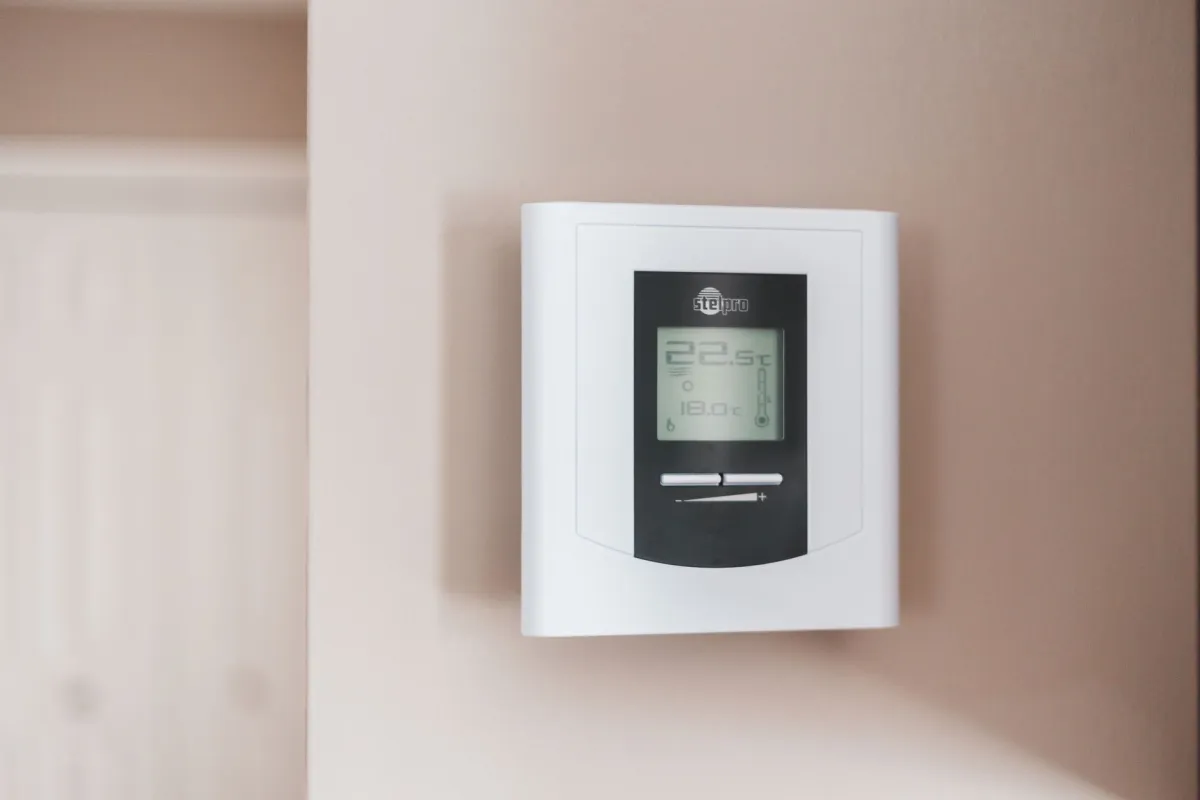
Number three is anything electrical that trips, buzzes, or warms a faceplate. That's not an annoyance, it's a fire precursor — and it's also the cheapest of the five to diagnose early. Four is the water heater past its stated life: it fails as a flood, almost always on a holiday, and emergency replacement costs double the planned one.
Five is HVAC limping through the season it's needed most. Running a dying compressor through July doesn't defer the replacement, it just adds an emergency premium and a tenant who's pricing other apartments while they sweat.
The pattern: deferral doesn't pause the cost, it compounds it. Set dispatch rules so these five categories auto-route to your bench the moment a tenant reports them — speed here isn't a luxury, it's the discount.
Water damage bills by the day. Everything else just waits.
Frequently asked questions
Which home repairs get more expensive if you wait?
Water leaks and roof leaks top the list because water spreads into framing, insulation and the unit below. Electrical faults, aging water heaters and failing HVAC also turn into emergency-priced jobs.
How much more does an emergency water heater replacement cost?
Often around double a planned replacement, because it happens as a flood, usually at the worst time, with after-hours rates and cleanup on top.